Overview
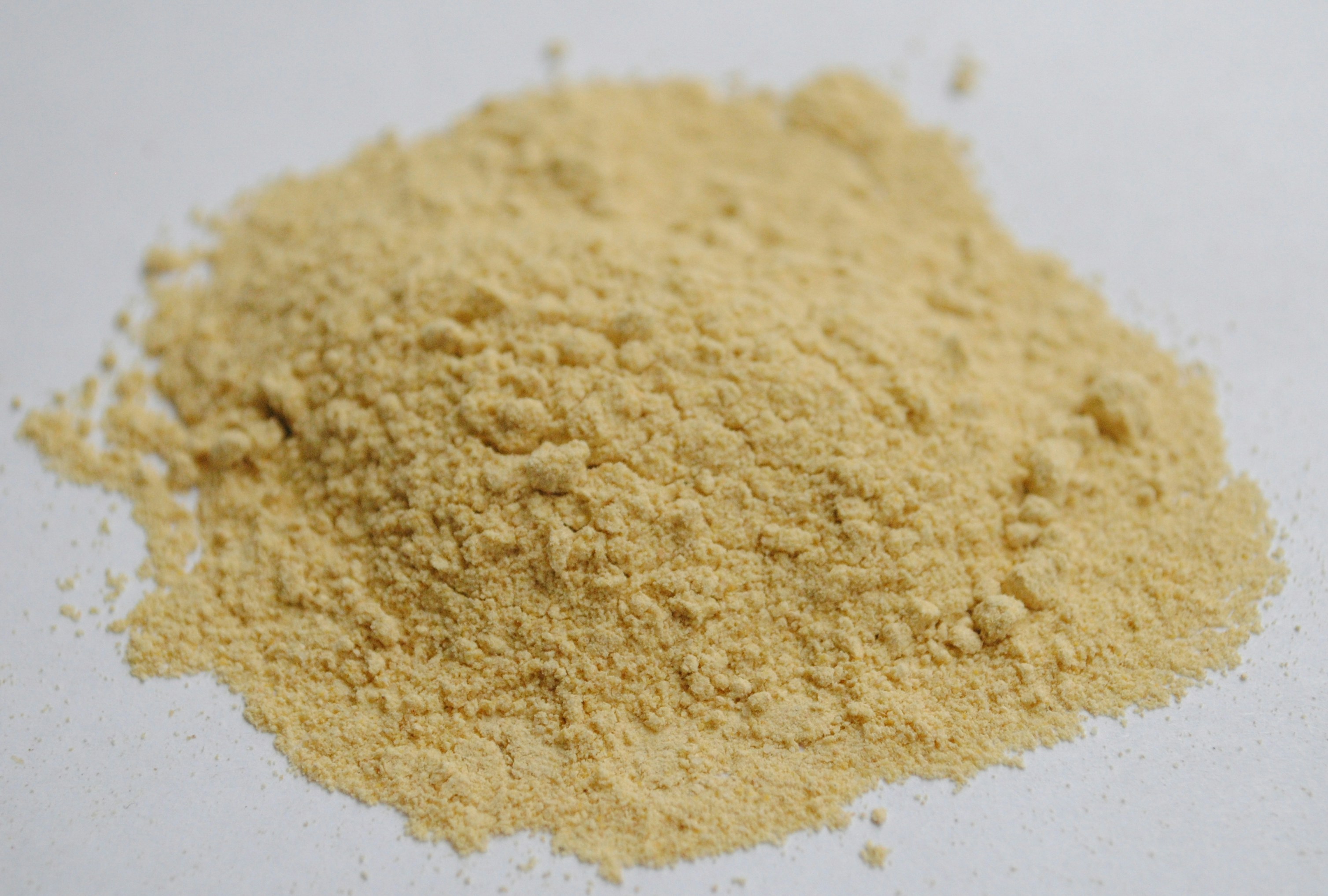
Maca (Lepidium meyenii) is a root vegetable grown high in the Peruvian Andes, traditionally used as a food staple and adaptogenic tonic. Available in three main varieties—yellow, red, and black—each with slightly different traditional uses. Maca is rich in nutrients and has been used for centuries to support energy, stamina, and hormonal balance. This guide covers varieties, preparation methods, and quality sourcing without hype.
Go to Superfood 101 · Shop related items
Key nutrition highlights
- Macronutrients: rich in carbohydrates, fiber, protein (10-14%), and amino acids
- Minerals: excellent source of copper, iron, potassium, and calcium
- Vitamins: contains B vitamins, vitamin C, and vitamin E
- Bioactive compounds: glucosinolates, macaenes, and macamides (unique to maca)
- Adaptogenic properties: traditionally used to support body's stress response and hormone balance
- Gelatinization: heating process that removes starches for easier digestion and enhanced bioavailability
Tip: Start with yellow maca (mildest flavor) before trying black or red varieties. Gelatinized forms are gentler on digestion.
Typical origins & sourcing
Authentic maca is grown exclusively in the high-altitude Andes mountains of Peru (3,000-4,500 meters elevation). Quality sourcing considerations:
- Peruvian origin essential: Peru is the only traditional and authentic source
- High-altitude grown: authentic maca requires harsh Andean conditions for potency
- Color varieties: yellow (most common, mild), red (women's health focus), black (men's energy/stamina focus)
- Raw vs gelatinized: gelatinized is pre-cooked, easier to digest, and has higher concentration
- Organic certification: reduces chemical exposure and supports sustainable farming
- Fair trade practices: supports indigenous Peruvian farming communities
Quality checklist:
- ✓ 100% Peruvian origin (avoid Chinese-grown maca)
- ✓ Grown at 3,000+ meters elevation in Junín region
- ✓ Organic certification when possible
- ✓ Clearly labeled color (yellow, red, or black)
- ✓ Gelatinized if you have sensitive digestion
- ✓ Third-party testing for purity and heavy metals
- ✓ No fillers, additives, or maltodextrin
Back to Guides · Shop this category
Raw vs Gelatinized Maca
Raw maca powder: Dried and ground maca root with no additional processing. Contains all natural starches and enzymes. More potent "earthy" flavor. May cause digestive discomfort in sensitive individuals due to starch content.
Gelatinized maca powder: Maca that has been cooked under pressure to remove starches, then dried and powdered. Easier to digest (90% of users tolerate it better). More concentrated per gram since starches are removed. Slightly milder flavor. Better for those with IBS or sensitive stomachs.
Recommendation: If you're new to maca or have digestive sensitivity, start with gelatinized. If you tolerate it well, raw maca offers full-spectrum benefits.
FAQ
How long does maca take to work?
Effects vary by individual and intended use. Some notice increased energy within days, while hormonal balance and stamina improvements typically emerge after 2-4 weeks of consistent daily use. Traditional Peruvian use emphasizes patience and consistency.
Can women and men both take maca?
Yes, absolutely. While red maca is often marketed toward women and black toward men, all varieties can benefit anyone. Yellow maca is the most versatile for all genders. Traditional Peruvian culture has both men and women consuming maca as a daily food staple.
Does maca really help with libido and fertility?
Traditional Peruvian use has long associated maca with reproductive health. Some modern studies suggest maca may support sexual function and sperm quality, likely through its effects on energy, hormones, and stress response. However, effects are individual and modest—it's not a pharmaceutical aphrodisiac.
Why is Peruvian maca better than Chinese maca?
Authentic maca requires the extreme high-altitude, nutrient-poor soils, and harsh climate of the Peruvian Andes to develop its unique bioactive compounds. Chinese-grown maca lacks these conditions and has been shown to have significantly lower levels of beneficial macaenes and macamides. Always choose Peruvian-grown maca.
Can I take maca every day long-term?
Yes, maca is a food staple in Peru consumed daily for lifelong periods. Some practitioners suggest cycling (4 weeks on, 1 week off) to maintain effectiveness, but continuous use is traditional and generally considered safe. Listen to your body and adjust as needed.