Overview
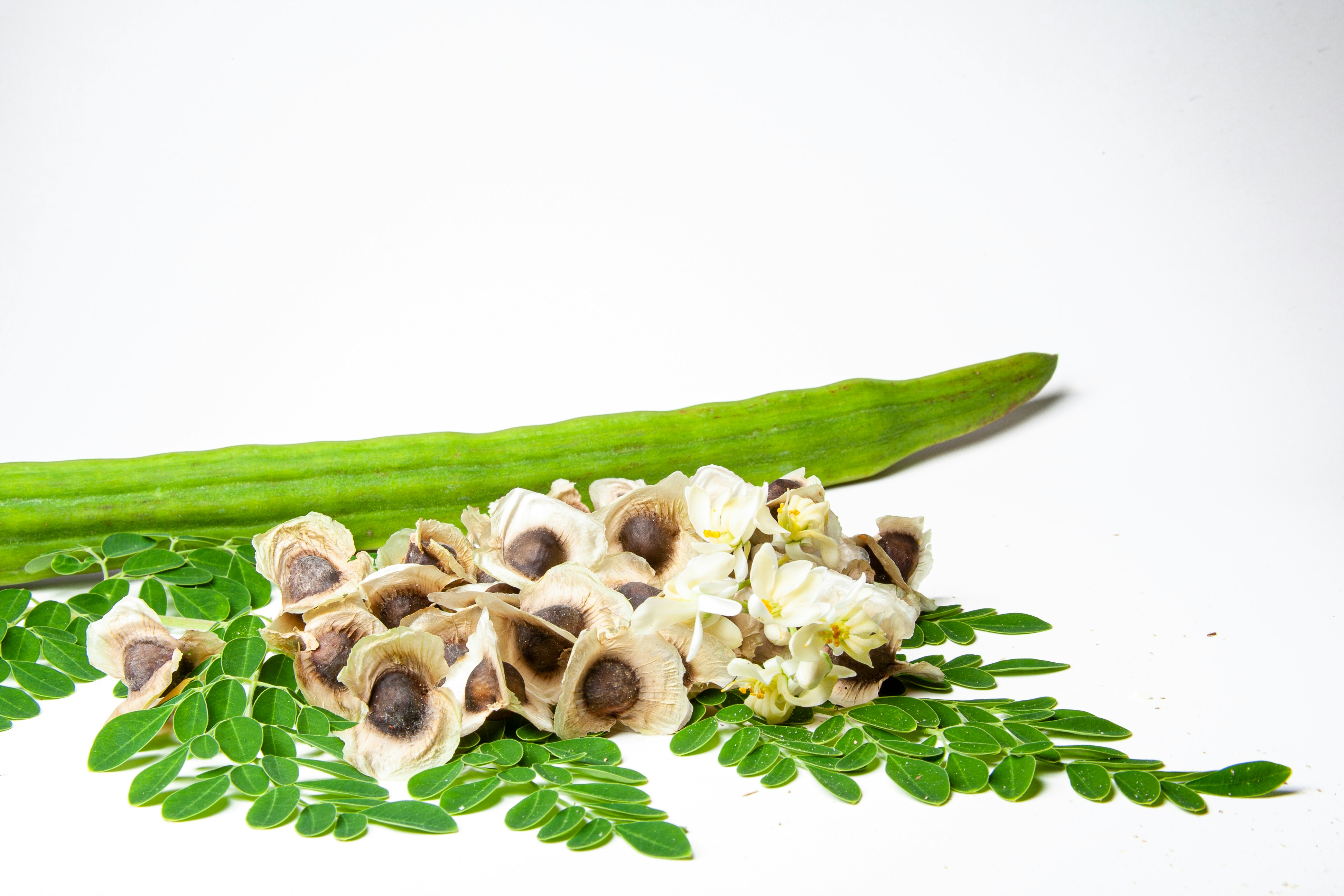
Moringa is commonly used as a nutrient-dense ingredient in food-first routines. This guide covers practical basics'forms, everyday uses, and how to buy it well'without hype or medical claims.
Nutrition highlights, common uses, and sourcing'built for clarity (not hype).
.jpg)
Moringa is commonly used as a nutrient-dense ingredient in food-first routines. This guide covers practical basics'forms, everyday uses, and how to buy it well'without hype or medical claims.
Tip: 'More' isn't always better'quality, dose, and consistency matter more than hype.
These are general wellness themes in nutrition research and traditional use'not disease treatment claims.
Edible (Food / Supplement Grade)
Moringa leaves and powder are widely consumed as food and supplements globally.
Ingestible Uses:
Traditional or Cultural Uses:
SuperfoodSpace Disclosure: This product is traditionally used as edible. Only food-grade, properly sourced forms (leaves and powder) should be consumed. Avoid moringa root and bark. Individual tolerance may vary. Consult a qualified professional before use if you are pregnant, nursing, taking medications, or managing a medical condition.
Origins vary by ingredient and supplier. Prioritize:
Affiliate Recommendation
Product recommendation coming soon.
Disclosure: This page may contain affiliate links. If you choose to purchase, we may earn a commission at no additional cost to you.
Complete and complementary protein sources for muscle and tissue repair.
Sea vegetables and mineral-rich ingredients for electrolyte and trace mineral replenishment.
Berry and fruit superfoods rich in protective plant compounds.
Verified source: USDA FoodData Central (search for 'Moringa'). Use 'raw' entries when available; otherwise use powder/gel/dried.
*% Daily Values are based on a 2,000 calorie diet and standard FDA DVs (fat 78g, carbs 275g, fiber 28g, protein 50g).
Long-form Superfood Education