🌳 Cinnamon Bark

Ancient spice with modern research—Ceylon vs Cassia matters. Built for clarity (not hype).

Overview

Cinnamon bark comes from several related Cinnamomum tree species, with two main types dominating the market: Ceylon cinnamon (Cinnamomum verum, "true cinnamon") from Sri Lanka and Cassia cinnamon (Cinnamomum cassia/aromaticum) from China, Indonesia, and Vietnam. Both contain cinnamaldehyde as the primary aromatic compound, but differ significantly in coumarin content—a naturally occurring compound that can be problematic in high doses. Ceylon is preferred for supplementation due to much lower coumarin levels. Used for thousands of years for flavor, preservation, and metabolic wellness.

Go to Superfood 101 · Shop related items

Key nutrition highlights

  • Cinnamaldehyde: primary bioactive compound (50-75% of essential oil) responsible for flavor and metabolic effects.
  • Polyphenol antioxidants: extremely high ORAC score (antioxidant capacity) among spices.
  • Coumarin content: CRITICAL DIFFERENCE—Cassia contains 0.4-8% coumarin; Ceylon only 0.004% (1000x less).
  • Manganese: excellent source providing support for enzyme function and bone health.
  • Calcium: provides notable calcium per teaspoon (ground cinnamon).
  • Fiber: ground cinnamon provides dietary fiber when consumed in larger amounts.

Important: If using cinnamon therapeutically (more than 1 tsp daily), choose Ceylon cinnamon to avoid excessive coumarin intake, which may affect liver in high doses.

Common benefits people look for

  • Blood sugar balance and insulin sensitivity support
  • Antioxidant and anti-inflammatory properties
  • Heart health (cholesterol and triglyceride support)
  • Cognitive function and neuroprotection
  • Digestive wellness and gut health
  • Antimicrobial properties

These are general wellness themes in nutrition research and traditional use—not disease treatment claims.

Common uses

  • Culinary spice: both ground and stick form for baking, beverages, curries, stews worldwide.
  • Ceylon supplements: capsules typically 500-1000mg, 1-2x daily for metabolic support.
  • Cinnamon water: steep cinnamon stick in hot water overnight, drink in morning for gentle blood sugar support.
  • Coffee and smoothies: add 1/2-1 tsp ground cinnamon for flavor and nutrition boost.
  • Oatmeal and yogurt: sprinkle ground cinnamon for antioxidants and blood sugar modulation.
  • Golden milk variations: combine with turmeric, ginger, black pepper for anti-inflammatory beverage.

Dosage: Culinary amounts (1/4-1 tsp) are safe with either type. For therapeutic doses (1-6g/day), use Ceylon cinnamon exclusively.

Typical origins & sourcing

Cinnamon quality and type vary dramatically by origin:

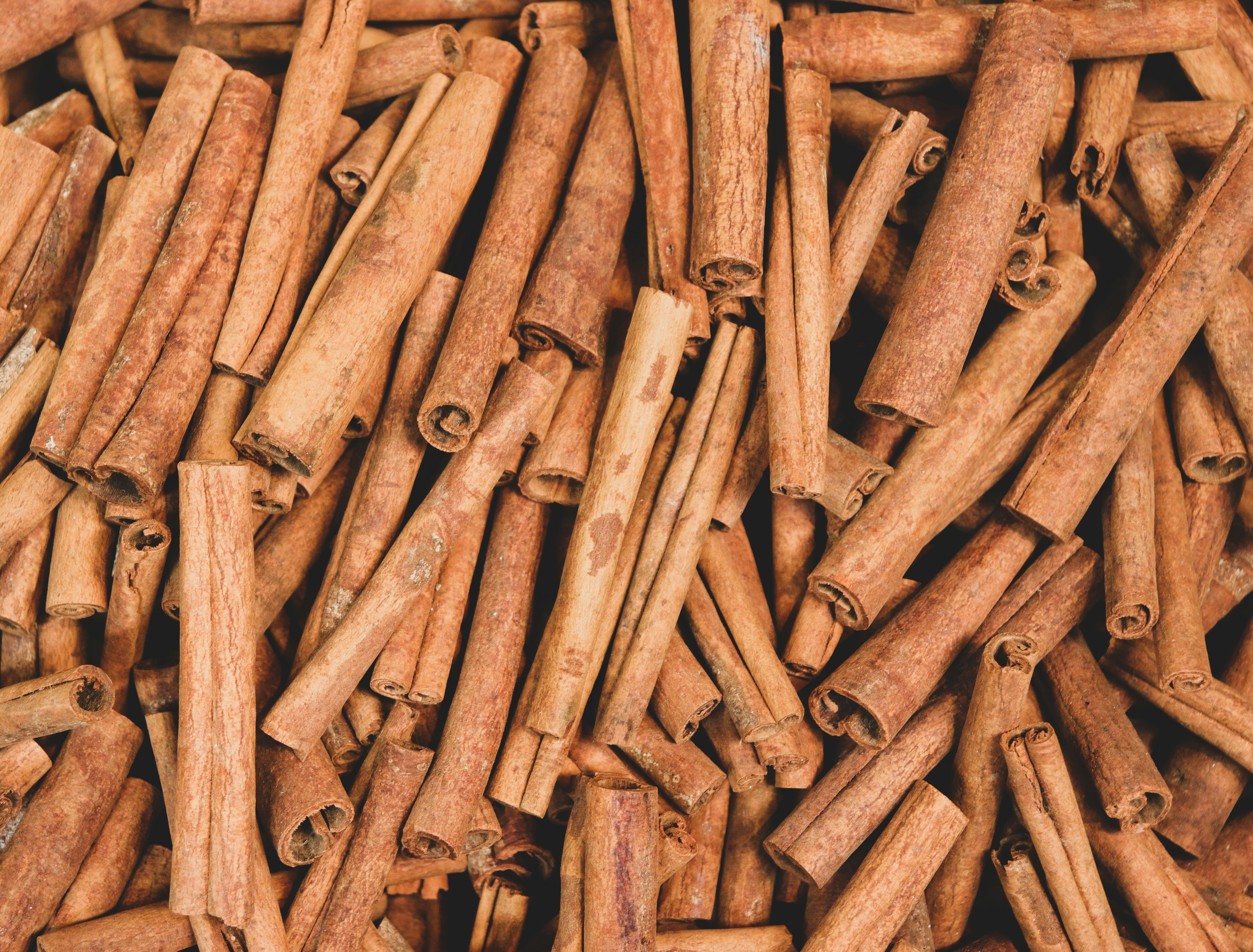
  • Ceylon cinnamon: primarily from Sri Lanka (formerly Ceylon)—lighter color, sweeter flavor, complex layers when rolled. Look for "Ceylon" or "Cinnamomum verum" on label.
  • Cassia cinnamon: from China, Indonesia (Korintje), Vietnam (Saigon)—darker, stronger, spicier flavor, single thick bark layer. Most grocery store "cinnamon" is Cassia.
  • Organic certification: important for pesticide-free bark products.
  • Supplement standardization: quality supplements standardize to cinnamaldehyde or polyphenol content.
  • Fair trade options: ensure sustainable harvesting practices and fair compensation.

How to identify: Ceylon sticks are tan/light brown, thin, rolled in multiple layers, crumble easily. Cassia sticks are dark reddish-brown, thick, hollow/rolled from one side, very hard.

Back to Guides · Shop this category

Affiliate Recommendation

Organic Ceylon cinnamon powder, sticks, and supplements coming soon.

Disclosure: This page may contain affiliate links. If you choose to purchase, we may earn a commission at no additional cost to you.

Shop Ceylon Cinnamon on Amazon

As an Amazon Associate, we earn from qualifying purchases. Prices and availability subject to change.

Ceylon Cinnamon
Ceylon Cinnamon - True Cinnamon Bark for Blood Sugar
★★★★★
(5,200+)
Prime FREE delivery
See on Amazon

Related Benefits

❤️ Heart & Circulation Support

Ingredients supporting cardiovascular health and healthy blood flow.

Related guides

Turmeric · Ginger · Browse all guides

Nutrition Facts

Nutrition Facts (per 100g ground cinnamon) — click to expand/collapse
Per 100 g (ground Ceylon cinnamon)%DV*
Calories247 kcal12%
Total Fat1.2 g2%
Total Carbohydrate81 g29%
Dietary Fiber53 g189%
Protein4 g8%
Vitamin K31 mcg39%
Calcium1002 mg100%
Iron8.3 mg46%
Magnesium60 mg15%
Manganese17.5 mg761%
Potassium431 mg12%

Note: Typical serving is 1 tsp (2.6g), providing 26mg calcium, 0.2mg iron, 0.5mg manganese. Primary value is bioactive compounds (cinnamaldehyde, polyphenols) rather than macronutrients.

*% Daily Values are based on a 2,000 calorie diet.

Watch & Learn

Long-form Superfood Education